Why Cybersecurity Should Be a Priority for Every Company

June 17, 2026
4 min read
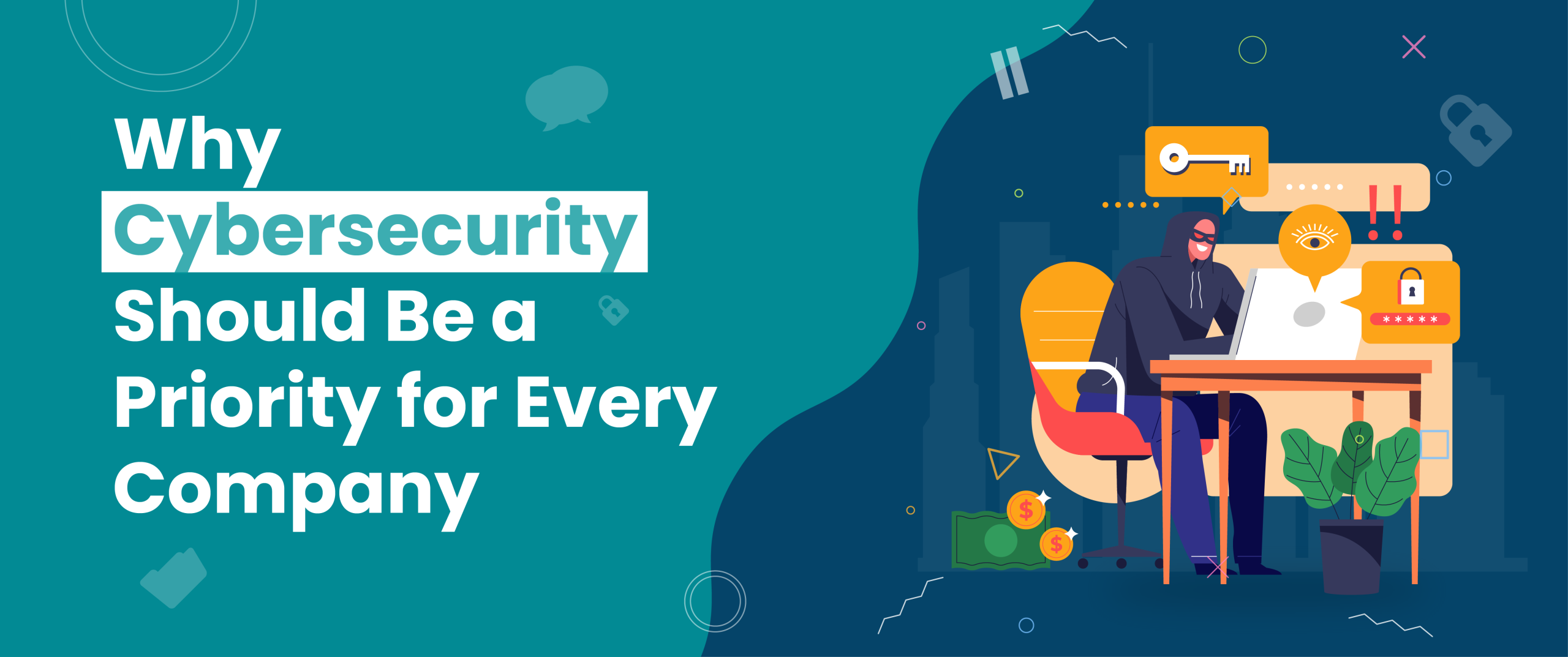
In today’s digital-first world, businesses rely heavily on technology to manage operations, store sensitive data, communicate with customers, and drive growth. While digital transformation has created countless opportunities, it has also introduced new risks. Cyberattacks are becoming more frequent, sophisticated, and costly, affecting organizations of all sizes and industries.
Many small and medium-sized businesses mistakenly believe that cybercriminals only target large corporations. In reality, every company that stores customer information, financial records, or business data is a potential target. A single security breach can result in financial losses, damaged reputation, legal consequences, and a loss of customer trust.
For modern businesses, cybersecurity is no longer just an IT concern—it is a critical business priority.

The Growing Threat of Cyberattacks
Cybercriminals are constantly developing new methods to exploit vulnerabilities in systems, networks, and applications. Common cyber threats include phishing attacks, ransomware, malware infections, data breaches, insider threats, and social engineering scams.
Attackers often target businesses because they know valuable information is stored within company systems. Customer records, payment information, employee data, and intellectual property can all be sold or misused for financial gain.
As businesses become increasingly connected through cloud services, mobile devices, and remote work environments, the number of potential entry points for attackers continues to grow. Without proper cybersecurity measures, organizations become vulnerable to costly incidents that can disrupt operations and harm business performance.
Financial Consequences of Security Breaches
Direct Financial Losses
Cyberattacks can result in immediate financial damage. Companies may face costs related to system recovery, data restoration, legal assistance, regulatory fines, and incident response services.
Ransomware attacks, for example, can lock businesses out of critical systems until a ransom payment is made. Even if organizations choose not to pay, the downtime and recovery process can lead to significant losses.
Operational Disruptions
A successful cyberattack can bring business operations to a halt. Employees may lose access to important systems, customers may be unable to access services, and production processes may be interrupted.
For many businesses, even a few hours of downtime can have a substantial impact on revenue and customer satisfaction.
Protecting Customer Trust and Brand Reputation
Trust is one of the most valuable assets a company can build. Customers expect businesses to protect their personal information and maintain secure digital experiences.
When a data breach occurs, customers often lose confidence in the affected organization. Negative publicity can spread quickly through social media, news outlets, and online reviews. Recovering from reputational damage can take years and may require significant investment in public relations and customer retention efforts.
Companies that prioritize cybersecurity demonstrate their commitment to protecting customer data, which helps strengthen trust and long-term relationships.
Regulatory Compliance and Legal Responsibilities
Governments and regulatory bodies around the world have introduced data protection laws that require businesses to safeguard sensitive information. Failure to comply with these regulations can result in substantial fines and legal consequences.
Organizations must ensure that customer data, employee information, and financial records are stored securely and handled according to applicable laws and industry standards. A strong cybersecurity strategy helps businesses meet compliance requirements while reducing legal risks.
Cybersecurity as a Competitive Advantage
Many businesses view cybersecurity as a cost center, but it can actually become a competitive advantage. Customers, partners, and investors are increasingly evaluating security practices before choosing to work with a company.
Organizations that demonstrate strong cybersecurity measures are more likely to gain customer confidence, secure business partnerships, and attract investment opportunities. In industries where trust is essential, cybersecurity can become a key differentiator.
Key Cybersecurity Practices Every Company Should Implement
Employee Security Awareness Training
Human error remains one of the leading causes of cybersecurity incidents. Employees should be trained to recognize phishing emails, suspicious links, and social engineering tactics.
Regular security awareness programs help create a culture of cybersecurity throughout the organization.
Strong Password and Authentication Policies
Businesses should enforce strong password requirements and implement multi-factor authentication wherever possible. These measures significantly reduce the risk of unauthorized access.
Regular Software Updates
Outdated software often contains vulnerabilities that cybercriminals can exploit. Companies should regularly update operating systems, applications, and security tools to ensure protection against emerging threats.
Data Backup and Recovery Plans
Reliable backups are essential for business continuity. Organizations should maintain secure and regularly tested backups to minimize downtime and data loss during an attack.
Network and Endpoint Protection
Firewalls, antivirus software, endpoint detection systems, and network monitoring tools provide critical layers of defense against cyber threats. Investing in modern security technologies helps organizations identify and respond to threats more effectively.
The Future of Cybersecurity
As technologies such as artificial intelligence, cloud computing, and the Internet of Things continue to evolve, cybersecurity challenges will become even more complex. Businesses must adopt a proactive approach rather than waiting for incidents to occur.
Future-ready organizations will continuously assess risks, update security strategies, and invest in advanced protection measures. Cybersecurity should be viewed as an ongoing business process rather than a one-time project.
Conclusion
Cybersecurity is no longer optional for modern businesses. From protecting sensitive data and maintaining customer trust to ensuring regulatory compliance and business continuity, strong cybersecurity practices are essential for long-term success.
Companies that prioritize cybersecurity are better positioned to defend against evolving threats, reduce operational risks, and build stronger relationships with customers and stakeholders. In an increasingly connected world, investing in cybersecurity is investing in the future of your business.
Call to Action
Is your business prepared to face today’s cybersecurity challenges? At Codeed Inc, we help organizations build secure, reliable, and future-ready digital solutions. Whether you need secure web development, application security, cloud solutions, or technology consulting, our team is ready to help protect your business from evolving cyber threats.
Contact Codeed Inc today and take the first step toward a safer digital future.

Table of Content
 5.0
5.0
Unlock your new design team today
Get a team of skilled professionals and all the benefits that come with top-grade in-house designers—for a flat fee.
Book a free call